

Weight loss is a common goal for many of us at some point in our lives. We’ll try anything to speed the process up. Soups, smoothies, shakes, special diets. You name it. But have you heard about L-tyrosine and how it may help you lose weight?
L-tyrosine is involved in regulating your mood, brain function, and metabolism, all of which play a role in the weight loss game.
In this article, learn about the scientifically proven benefits of taking L-tyrosine as a supplement and how much you should be taking to achieve weight loss. But first, let’s find out more about what it is and the role it plays in your body.
Key Takeaways
- L-Tyrosine supports catecholamine production (dopamine, norepinephrine) that influences focus, motivation, and stress resilience during dieting.
- Common serving ranges in supplements are typically a few hundred milligrams to 1–2 g, taken 30–60 minutes before demanding tasks; always follow label directions.
- Weight management is multi-factor—sleep, nutrition, training, and stress control matter more than any single ingredient.
- Sensitive users should start low & slow and avoid late-day dosing if it affects sleep.
- Stack smart: comprehensive, stim-free nootropic formulas can help adherence and mental performance while cutting.
What is L-Tyrosine?
L-tyrosine is a non-essential amino acid that is made by the body from another amino acid called phenylalanine. It helps with the production of important hormones and brain chemicals, known as neurotransmitters, which help nerve cells communicate and are involved in regulating our mood and cognitive abilities.
These include:
- Dopamine: plays a role in how we feel pleasure and is also important for our memory, focus and learning.
- Epinephrine: is a hormone, also known as adrenaline, and is involved in the fight-or-flight response. It helps prepare the body for action in response to stress, by stimulating the nervous system.
- Norepinephrine: also known as noradrenaline, is both a hormone and neurotransmitter. It acts similarly to adrenaline, preparing the body for fight or flight.
- Thyroid hormones: play a crucial role in regulating metabolism.
As the body makes L-tyrosine on its own, you don't necessarily need to get it through diet, although consuming extra can help improve your energy, mood, and mental performance. By speeding up your metabolism, it can also assist with weight loss.
Eating protein-rich foods, or taking a supplement, can increase your L-tyrosine intake. Let’s find out more about the amazing benefits of this important amino acid.
Benefits of L-Tyrosine
Help manage stress
Everyone's experienced stress at some point in their lives. Many of us experience it daily. Stress negatively affects brain function, such as memory, attention, and ability to think clearly. Which often only perpetuates our stress, as we cannot perform at our optimal capacity.
Stressful situations increase the release of catecholamines - hormones and neurotransmitters made by the brain, nerve tissues, and adrenal glands that help the body respond to physical or emotional stress. These include dopamine, adrenaline, and noradrenaline, as mentioned above.
These important catecholamines become depleted under stress, which results in cognitive decline. To help your body cope with stressful situations, these substances must be restored. As L-tyrosine is involved in the production of all three, taking a supplement can help alleviate stress and protect against irritability, fatigue, and other mental side effects of stress1.
Helps fight depression
A lack of the neurotransmitters serotonin, dopamine, and norepinephrine in the brain can contribute to depression. To treat this common mental illness, antidepressants are often prescribed which target the production of these neurotransmitters to increase their levels and improve mood.
L-tyrosine increases the production of neurotransmitters that are involved in depression. Therefore, taking a supplement may help reduce symptoms. According to one study, l-tyrosine is especially effective for treating dopamine-dependent depression2.
If you are on medication already, consult with your doctor beforehand. While L-Tyrosine is known to have antidepressant effects, it should not be taken in place of antidepressants.
Improves mental performance
Not only is dopamine involved in feelings of pleasure, but it also plays a part in our thought processes, including memory and learning. It also enables us to focus and find things interesting. If you think about it, learning about something you find interesting gives you pleasure - dopamine is responsible.
As discussed earlier, L-tyrosine is needed to make dopamine. According to research, supplements can improve mental performance and benefits memory in young adults by increasing the production of dopamine. This is especially apparent during highly cognitive demanding situations, in which more dopamine is required3.
The effects of L-tyrosine on thinking and memory in older adults have been found to differ, although supplementation still improves overall mental performance4.
Enhances athletic performance
Athletes often take supplements containing L-tyrosine for its potential to improve cognitive performance. After all, if you have the mental energy and focus you are more likely to physically perform better and push yourself harder. Nothing beats a bit of determination in a workout!
In one study, a small group of soccer players who took L-Tyrosine supplements before exercise experienced better mental performance and improved mental and physical effort5.
Increases energy
L-tyrosine provides a boost of energy by regulating the production of neurotransmitters and hormones that can help improve alertness, focus, and brain function.
This is especially apparent during times of sleep deprivation. According to one study, participants that were sleep-deprived and who took a tyrosine supplement experienced much better mental performance than those who didn't6.
Supports weight loss
L-tyrosine supplements are believed to help with weight loss due to their effect on metabolism. This is because l-tyrosine is used to make thyroid hormones such as triiodothyronine (T3) and thyroxine (T4), which play an essential role in regulating all metabolic processes.
Low levels of thyroid hormones can slow down your metabolism and change the way the body processes fat, leading to weight gain. L-tyrosine supplements can support the production of thyroid hormones to speed up your metabolism.
Evidence suggests that when taken in combination with other fat-burning substances, such as caffeine and capsaicin, l-tyrosine is even more effective for achieving weight loss7.
Although, people with thyroid conditions such as an overactive thyroid should be cautious about taking tyrosine, as it might increase thyroxine levels too much. It can also interfere with thyroid medication. Always consult with your doctor before use if you have a thyroid condition.
With Mind Lab Pro I managed to run 15 km like it was nothing, I am running now 8 km on daily basis and still keep focus at work where I have to work 8-10 hours 6 days a week. Mind Lab Pro is really working! Love that stuff!Luka H.
Dosage and Supplement Information
As discussed above, L-tyrosine is commonly taken as a supplement to improve mental performance, energy, and weight loss. It can also be used to treat an inherited disorder called phenylketonuria, in which the body is unable to synthesize tyrosine from phenylalanine.
How Much L-tyrosine Should You Take for Weight Loss?
In line with current research, it is advised to take a standard dose of 100-150mg per 1kg of body weight to achieve weight loss. This would be roughly 7-10 grams for a person weighing 150 pounds and 9-13.5g for a person who weighs 200 pounds.
When Should You Take It?
For best results, L-tyrosine should be taken on an empty stomach in order to avoid interference from other amino acids in foods. As it has stimulatory effects, it is best to take it in the morning so that it doesn’t affect your sleep.
The effects can be felt within 30-60 minutes, depending on the size of the dose you take and when you last ate.
Food Sources of L-Tyrosine
L-tyrosine is primarily found in protein-rich animal foods, but also smaller amounts in some plant foods. Top food sources of l-tyrosine include:
- Dairy products such as yogurt and milk
- Meat
- Fish
- Eggs
- Nuts and seeds
- Whole grains such as oats and quinoa
- Beans and legumes
Other nutrients including vitamin B6, folate, and copper are also necessary for the process of converting tyrosine into neurotransmitters. So it is important to consume enough of these in your diet as well as l-tyrosine itself.
All of the foods listed above contain these nutrients, so if you include them in your diet you can safely assume you are eating all you need to optimize the effects of tyrosine.
Are There Any Side Effects to L-Tyrosine?
Very few side effects of L-tyrosine supplements have been reported and they are generally considered to be safe by the Food and Drug Administration. However, some people claim to experience mild side effects including:
- Nausea
- Headaches
- Fatigue
- Heartburn
It is recommended to avoid taking large doses for extended periods, as it may interfere with the absorption of other amino acids and increase the likelihood of side effects.
Frequently Asked Questions
What is the recommended L-tyrosine dosage for weight loss?
L-tyrosine dosage for weight loss can vary depending on body weight, goals and product format. Common supplement servings are often a few hundred milligrams up to 1 to 2 grams per serving, while the page also discusses research-based weight loss dosing in higher bodyweight-based ranges. Because needs can vary, it is important to follow product directions and use caution with higher doses.
How does L-tyrosine help with weight loss?
L-tyrosine may support weight loss by helping regulate mood, brain function and metabolism. It supports the production of catecholamines such as dopamine and norepinephrine, which can help with focus, motivation and stress resilience during dieting.
Can L-tyrosine boost metabolism for weight loss?
L-tyrosine may support metabolism because it contributes to the production of thyroid hormones and catecholamines, both of which are involved in metabolic regulation. That does not mean it directly burns fat on its own, but it may support the mental and metabolic conditions that help with weight management.
What are the scientifically proven benefits of L-tyrosine for weight loss?
L-tyrosine is discussed for benefits related to mood, mental performance, stress resilience and metabolism, all of which can matter during a weight loss phase. Its support for dopamine and norepinephrine production may help maintain focus, motivation and adherence while dieting.
Does L-tyrosine help with stress during weight loss?
Yes, L-tyrosine may help support stress resilience during dieting by helping replenish catecholamines that can become depleted under stress. This may make it easier to stay mentally sharp, motivated and consistent during calorie restriction or demanding training periods.
When should I take L-tyrosine for weight loss?
L-tyrosine is commonly taken on an empty stomach, and the page suggests morning use because it may have stimulatory effects. It is also often discussed as taking effect within about 30 to 60 minutes, which is why some people use it before demanding cognitive or training sessions.
Does L-tyrosine reduce appetite?
L-tyrosine does not appear to work as a direct appetite suppressant, but it may indirectly support appetite control by improving focus, mood and stress resilience during dieting. That can make it easier to stay aligned with a nutrition plan.
Can I combine L-tyrosine with other weight loss supplements?
L-tyrosine is sometimes used alongside other supplements, but combinations should be approached carefully because interactions, stimulant load and individual tolerance can vary. It is especially important to be cautious if you use thyroid medication, mood-related medication or other performance supplements.
Is L-tyrosine alone enough for weight loss?
No, L-tyrosine is not enough on its own for weight loss. It may support focus, motivation, stress control and metabolism, but sustainable weight management still depends on factors such as diet, sleep, training and overall consistency.
FINAL THOUGHTS
L-tyrosine is an amino acid that is required for the synthesis of important neurotransmitters and hormones that regulate mood, mental performance, energy, and metabolism.
Taking L-tyrosine as a supplement can help improve attention, focus, memory, motor skills, energy, and pretty much all aspects of brain function! Aside from this, it can help speed up your metabolism.
With greater determination and drive, alongside an optimized metabolism, l-tyrosine supplements can help support you on your weight loss journey. Be sure to stick to the recommended standard dose and don’t be tempted to take more, as this may lead to a number of unwanted side effects.
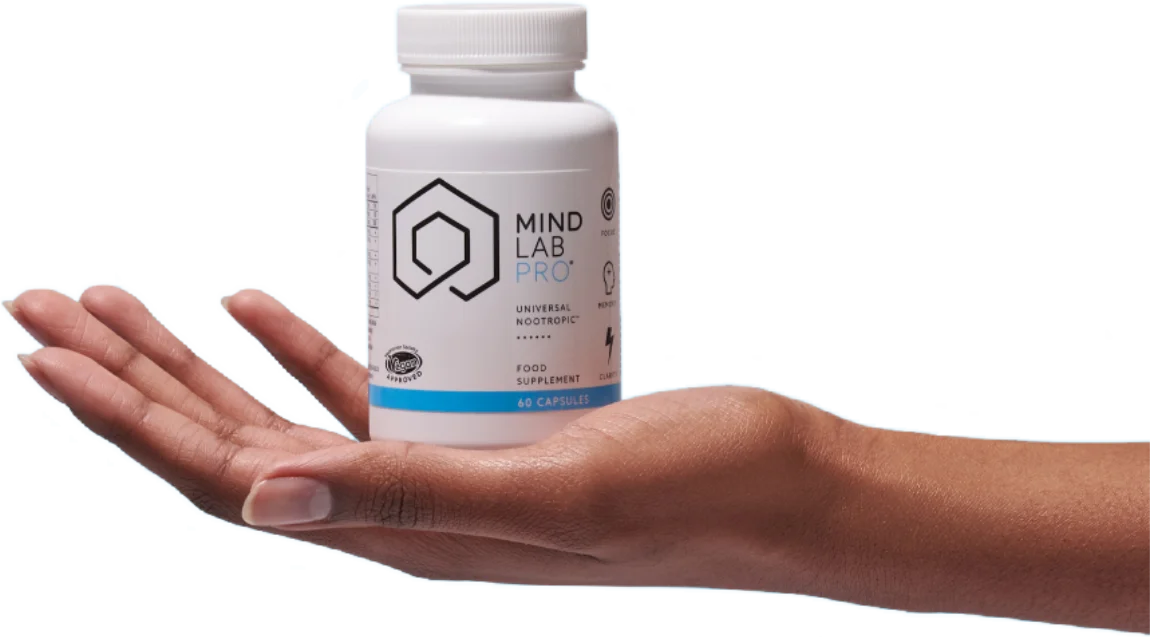
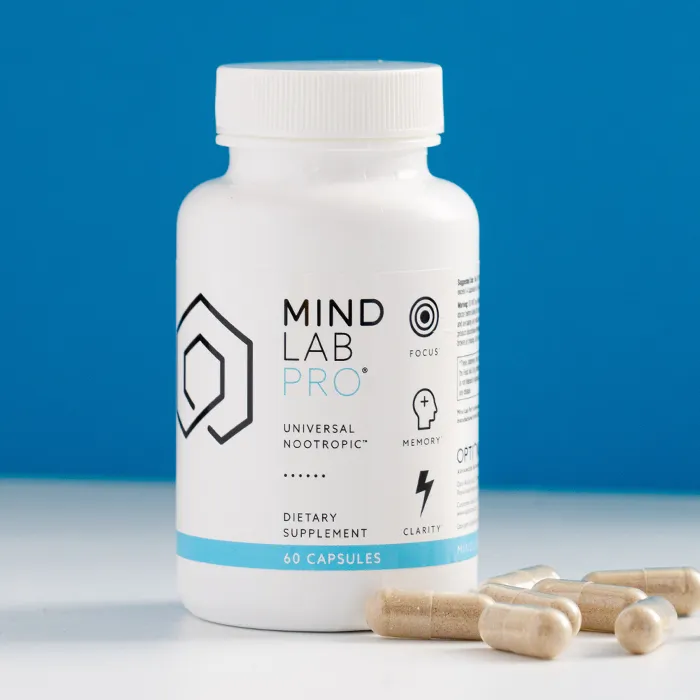
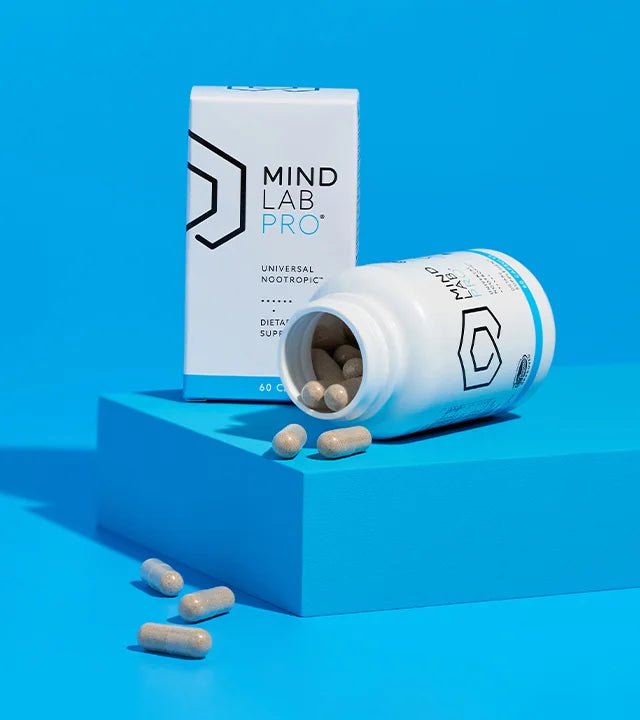
Mind Lab Pro incorporates L-tyrosine in its innovative nootropic formula, for sharper brain function, better focus and mood, and to support long-range brain health. Take this supplement daily to help you perform at your best all the time!
References
- Young, Simon N. "L-tyrosine to alleviate the effects of stress?." Journal of Psychiatry and Neuroscience 32.3 (2007): 224-225.
- Mouret, J., et al. "L-tyrosine cures, immediate and long term, dopamine-dependent depressions. Clinical and polygraphic studies." Comptes Rendus de L'academie des sciences. Serie III, Sciences de la vie 306.3 (1988): 93-98.
- Colzato, Lorenza, et al. "Working memory reloaded: tyrosine repletes updating in the N-back task." Frontiers in behavioral neuroscience 7 (2013): 200.
- Kühn, Simone, et al. "Food for thought: association between dietary tyrosine and cognitive performance in younger and older adults." Psychological research 83.6 (2019): 1097-1106.
- Coull, Nicole A., et al. "Effect of tyrosine ingestion on cognitive and physical performance utilising an intermittent soccer performance test (iSPT) in a warm environment." European journal of applied physiology 115.2 (2015): 373-386.
- Neri, David F., et al. "The effects of tyrosine on cognitive performance during extended wakefulness." Aviation, space, and environmental medicine (1995).
- Belza, A., E. Frandsen, and J. Kondrup. "Body fat loss achieved by stimulation of thermogenesis by a combination of bioactive food ingredients: a placebo-controlled, double-blind 8-week intervention in obese subjects." International journal of obesity31.1 (2007): 121-130.